
White spots on nails can be a sign of leukonychia, know what are its causes:
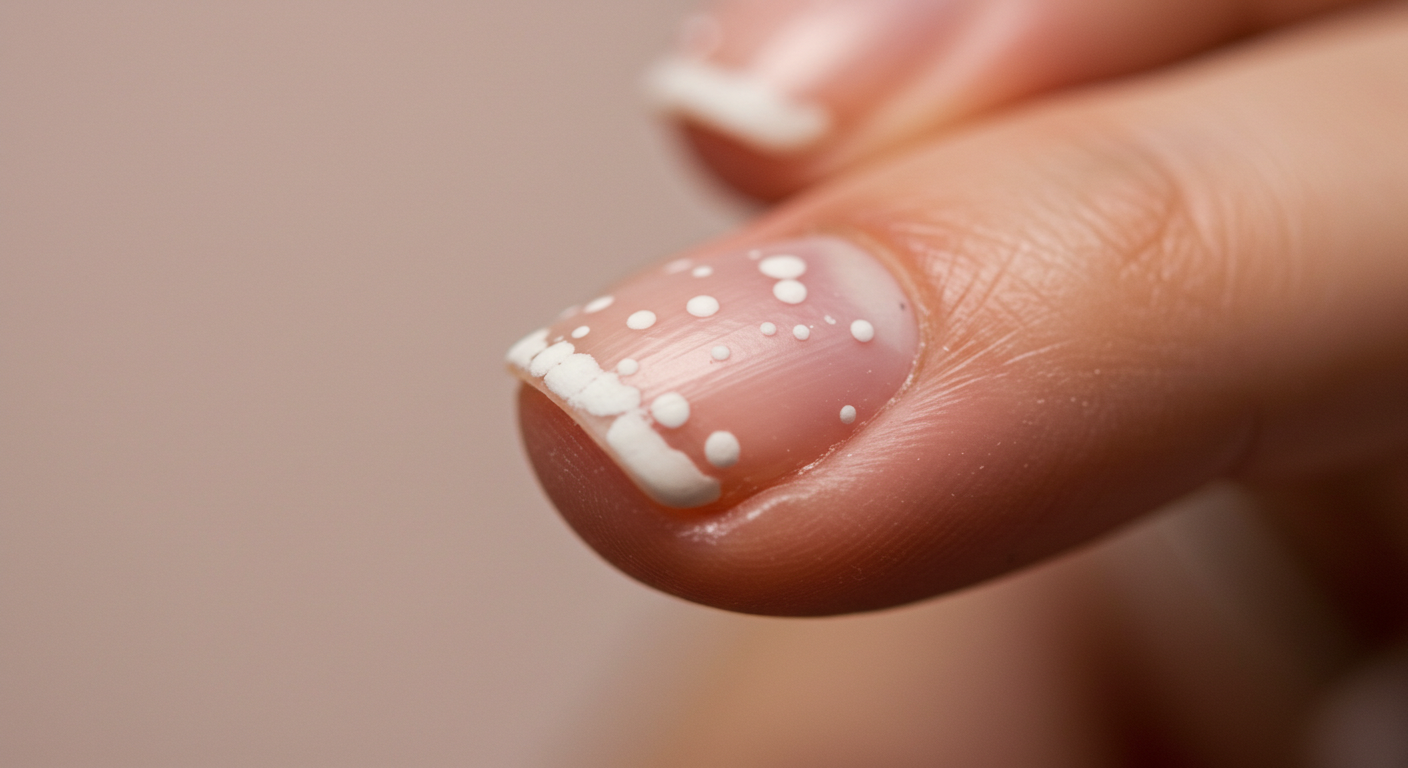
White spots or stripes on the nails can be a sign of leukonychia. It is actually telling you a lot about your health.
If eyes are the mirror of your heart, then nails (Nail health) tell what is the condition of your body? Are white spots or marks (White spot on nails) visible on your nails? Is a white crescent shape forming in the lower part of the nail? Therefore, it’s important to determine the underlying cause. Do you know that white spots on nails can actually be a sign of some vitamin deficiency or any other disease in your body. In medical terms, it is called leukonychia nails. Let us know what is leukonychia, its causes (leukonychia causes) and tips to avoid leukonychia.
Know what is leukonychia and its causes
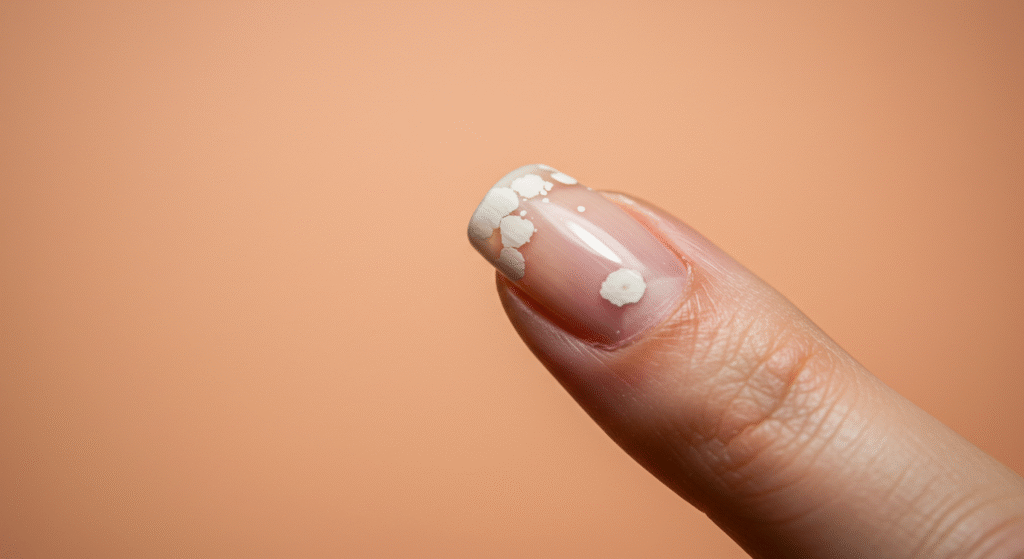
The spots that appear on the nails are called leukonychia, whose appearance on your nails indicates an injury, use of medicines, use of bad nail polish or lack of zinc or iron in the body. But there can be many other reasons for this. Let’s know about them –
1. Allergy
Using bad nail polish or gel based nail paint and chemicals on nails can cause allergy. Due to which such spots can occur.
2. Fungal or bacterial infection
White superficial onychomycosis is a common fungal infection, often affecting the thumb. This infection can start from a part of your nail and spread to completely cover the nail.
3. Genetic cause
Sometimes it also happens due to genetic reasons. But such cases are very rare.
4. Bart Pumphrey syndrome
Many nail syndromes arise due to this. If someone has this disease, then apart from hearing problems, there can be other problems as well.
5. Drug effect
Sometimes white spots are seen on nails due to the side effects of excessive use of medicines.
6. Anemia
If there is a deficiency of iron or zinc in the body, then white marks appear on the nails.
Know here what are the symptoms of leukonychia (causes of leukonychia)
Although leukonychia does not cause any harm to the body, it indicates some disorder in the body. If you have these symptoms, you can know that you have leukonychia –
Small white spots on the nail
White stripes start appearing on the nail
A crescent-shaped pattern forms on the lower part of the nail
Is it possible to prevent leukonychia? (leukonychia treatment)
Use allergic or harmful chemicals as little as possible. While doing manicure and pedicure, ensure that harsh chemical products are not used.
Use anti-fungal medication, which lasts for about 3 months.
Talk to your doctor and get the right treatment.
Pay close attention to your diet to maintain the health and appearance of your nails.
Your nail growth rate may slow down. In such a situation, it is important that you take care of your nails and consult a doctor if necessary.
FAQs for White Spots on Nails (Leukonychia)
1. What are white spots on nails and what do they indicate?
White spots on nails, medically known as Leukonychia, are small white marks or lines that appear on the surface of the nail.
They can indicate minor trauma, nutritional deficiencies, or even underlying health issues such as fungal infections or anemia.
Common causes include:
- Lack of zinc or iron in the body
- Fungal or bacterial nail infection
- Allergic reactions to nail polish or nail products
- Side effects of certain medications
- Genetic factors (in rare cases)
2. Are white spots on nails serious?
In most cases, white spots on nails are harmless and caused by minor factors like nail injury or allergic reactions to nail polish.
However, persistent or spreading white spots can be a sign of health problems such as:
- Anemia (iron deficiency)
- Zinc deficiency
- Fungal infections like white superficial onychomycosis
- Liver or kidney issues (rare cases)
Tip: If you notice recurring white spots or other nail changes like brittleness or discoloration, consult a dermatologist for proper evaluation.
3. What are the main causes of white spots on nails?
There are several reasons why white spots may appear on nails.
Here are the most common causes:
- Allergic reactions – from nail polish, gel nail paints, or harsh chemicals.
- Fungal or bacterial infections – such as white superficial onychomycosis.
- Nutritional deficiencies – especially lack of zinc, iron, or protein.
- Injury or trauma – hitting your nails against a hard surface.
- Side effects of medications – prolonged use of certain drugs can cause white nail spots.
- Genetic factors – rare hereditary conditions like Bart-Pumphrey syndrome.
4. Can white spots on nails be caused by vitamin or mineral deficiencies?
Yes, vitamin and mineral deficiencies are a common reason for white spots on nails.
A lack of essential nutrients can weaken nail health and lead to visible spots or lines.
Key deficiencies linked to white nail spots:
- Iron deficiency – associated with anemia
- Zinc deficiency – affects nail strength and growth
- Biotin deficiency – leads to brittle nails
- Calcium deficiency – though rare, may affect nail appearance
Solution: Include nutrient-rich foods like eggs, spinach, nuts, seeds, and lean meats in your diet to promote healthy nail growth.
5. Can fungal infections cause white spots on nails?
Yes, a common fungal infection called white superficial onychomycosis can cause white, powdery patches on the surface of the nail.
This type of infection usually starts on one nail, often the big toe, and can spread if left untreated.
Symptoms include:
- White spots or streaks spreading across the nail
- Brittle or crumbly nails
- Mild pain or discomfort
- Nail thickening or separation from the nail bed in advanced cases
Treatment:
- Use antifungal creams or oral medication as prescribed by a doctor.
- Maintain good foot hygiene and keep nails dry.
- Avoid sharing nail clippers or footwear to prevent spreading the infection.
6. Can allergies to nail polish cause white spots?
Yes, nail polish, gel paints, and harsh nail products can cause allergic reactions leading to white spots or patches on the nails.
This happens due to the presence of chemicals such as formaldehyde, toluene, and dibutyl phthalate.
How to prevent this:
- Use non-toxic, chemical-free nail polishes.
- Always apply a protective base coat before nail polish.
- Give your nails a break between manicures to let them breathe.
- Moisturize your nails and cuticles regularly.
7. How is leukonychia diagnosed?
A dermatologist usually diagnoses leukonychia through visual examination and by reviewing your medical history.
If the cause is unclear, the doctor may recommend:
- Blood tests – to check for deficiencies like iron or zinc
- Nail clippings – to test for fungal or bacterial infections
- Medical history review – to rule out drug side effects or genetic conditions
Note: Early diagnosis helps treat the root cause and prevent further nail damage.
8. How can I prevent white spots from appearing on my nails?
Here are some effective prevention tips to keep your nails healthy and free from white spots:
- Avoid using harsh nail polishes and gels with strong chemicals.
- Practice proper nail hygiene – keep nails clean and dry.
- Moisturize nails and cuticles regularly.
- Wear protective gloves while cleaning or using chemicals.
- Trim nails regularly and avoid cutting them too short.
- Maintain a balanced diet rich in vitamins and minerals.
- Treat fungal or bacterial infections promptly.
9. What are the symptoms of leukonychia?
Leukonychia symptoms are primarily visible changes in your nails.
Here’s what to look out for:
- Small white spots on the surface of the nail
- White streaks or lines running across the nail
- A white crescent shape at the base of the nail
- Thickened or brittle nails in some cases
- Discoloration spreading to other parts of the nail
If these symptoms persist or worsen, consult a dermatologist to rule out fungal infections or health issues.
10. What treatments are available for leukonychia?
Treatment for leukonychia depends on the underlying cause.
Here are some common treatment methods:
- For fungal infections: Use antifungal creams, oral medication, or medicated nail solutions.
- For nutrient deficiencies: Take supplements or eat a balanced diet rich in iron, zinc, and biotin.
- For allergies: Stop using harsh nail products and switch to chemical-free alternatives.
- For injuries: Allow nails to grow naturally and avoid further trauma.
- For chronic conditions: Consult a doctor for proper management and care.
Note: Never self-diagnose. Seek professional advice for persistent or painful nail issues.
11. When should I see a doctor about white spots on my nails?
You should see a doctor if:
- White spots keep spreading or worsening
- Nails become thick, brittle, or painful
- There are signs of infection, such as redness, swelling, or pus
- You experience other health issues like fatigue or weakness (possible sign of anemia)
- There is persistent discoloration that doesn’t improve with home care
READ ALSO: DIY Nail Care: How to Get Shiny, Healthy Nails with Home Remedies
Was this helpful?
Your feedback helps us create better content
Thank you for your feedback!
Your input helps us improve our content.